

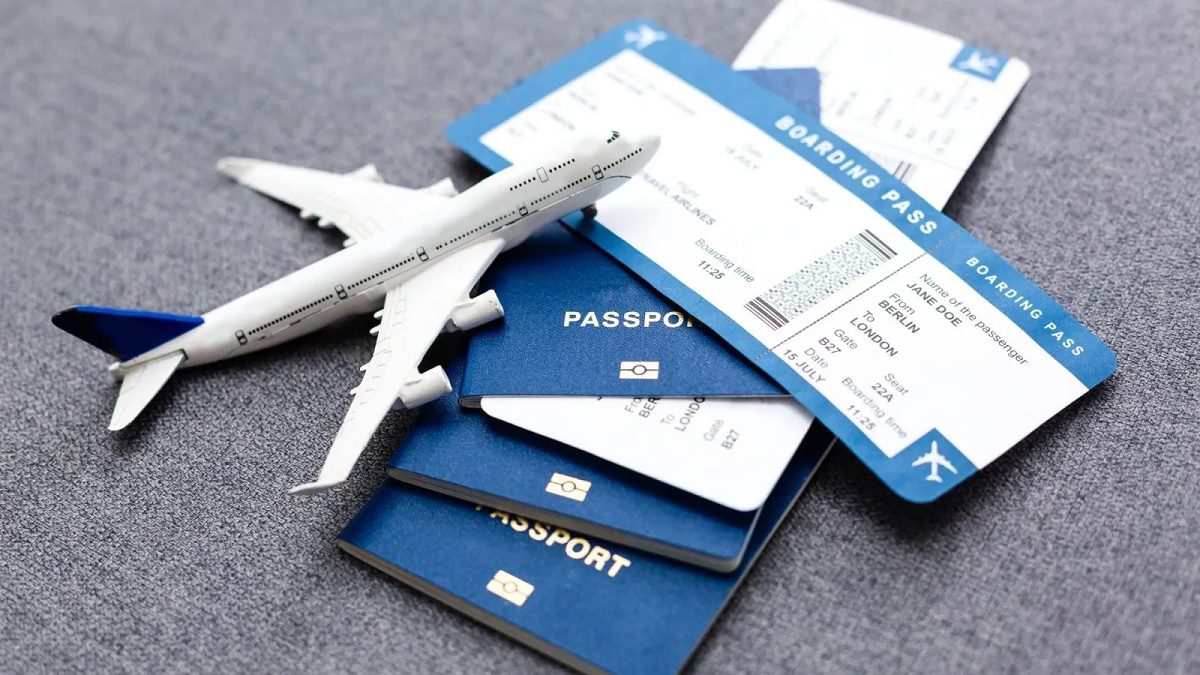
Navigating the world of flights and ticket bookings requires strategic thinking, attention to detail, and an understanding of the nuances that influence airfare pricing. Whether booking for business or leisure, securing the ideal ticket at a fair price while ensuring comfort and convenience demands insight. This guide explores critical factors to consider, from fare classes to timing strategies, ensuring an informed approach to air travel.
Understanding Fare Classes and Ticket Types
Every airline structures its ticket pricing based on fare classes, which determine flexibility, privileges, and cost. Economy class remains the most widely chosen option, offering affordability with standard services. Premium economy provides additional legroom and enhanced amenities, making long-haul flights more comfortable. Business class caters to travelers seeking luxury, offering spacious seating, gourmet dining, and priority boarding. First class, the pinnacle of air travel, delivers an exclusive experience with private suites, personalized service, and superior comfort.
Beyond seating categories, ticket types influence travel flexibility. Fully refundable fares offer peace of mind but come at a premium, while non-refundable options present a cost-effective alternative with restrictions. Some airlines provide hybrid choices, allowing modifications for a fee. Recognizing these distinctions ensures a selection tailored to individual priorities.
The Timing Factor: When to Book for Optimal Fares
Flight prices fluctuate based on demand, seasonality, and booking windows. Securing a ticket too early or too late may result in inflated costs. The ideal timeframe typically ranges between six to eight weeks before departure for domestic flights and two to three months for international travel.
Airlines release tickets in fare brackets, with the lowest tiers selling out first. Booking within the optimal window increases the likelihood of securing a competitive rate before prices escalate. Additionally, mid-week bookings—particularly on Tuesdays and Wednesdays—often present better opportunities compared to weekends when demand peaks.
The Role of Loyalty Programs and Miles
Frequent flyers benefit significantly from loyalty programs that reward travel with miles redeemable for flights, upgrades, and exclusive perks. Major airlines offer tiered memberships, with higher levels unlocking privileges such as priority boarding, lounge access, and complimentary baggage allowance.
Credit cards affiliated with airlines enhance earning potential, providing additional miles for everyday spending. Accumulated miles can be strategically used during high-demand periods when ticket prices soar, offering substantial savings on otherwise costly routes. Engaging with these programs transforms routine travel into a rewarding experience.
Alternative Airports and Routes: A Smart Strategy
Flexibility with departure and arrival points often yields better fares and improved itineraries. Major hubs frequently command premium pricing, while secondary airports within reasonable proximity offer competitive rates. Exploring alternative routing through transit hubs may also present advantageous pricing.
Non-direct flights, though longer, sometimes provide significant cost savings compared to direct routes. However, layover duration and airport facilities should be factored into the decision to ensure a comfortable experience. A well-planned itinerary balances cost efficiency with practical considerations.
Hidden Fees and Airline Policies
Understanding an airline’s fee structure prevents unexpected costs at check-in. Many carriers implement charges for checked baggage, seat selection, and onboard amenities. Budget airlines, in particular, often separate base fares from ancillary fees, making a seemingly attractive ticket price potentially more expensive when add-ons are included.
Baggage policies vary, with some airlines allowing generous allowances while others impose strict limits. Reviewing these details before booking ensures compliance and avoids last-minute surprises at the airport. A calculated approach to selecting services leads to a more transparent pricing assessment.
Technology and Alerts: Maximizing Savings
Leveraging technology streamlines the booking process and enhances decision-making. Fare comparison platforms aggregate prices from multiple airlines, providing a comprehensive view of available options. Setting up price alerts allows travelers to monitor fluctuations and secure deals when fares drop.
Some airlines introduce flash sales or last-minute discounts on specific routes. Staying informed through notifications ensures the opportunity to capitalize on limited-time offers. Additionally, utilizing incognito browsing modes prevents potential price inflation caused by repeated searches.
Travel Insurance: A Worthwhile Consideration
Unexpected circumstances such as cancellations, delays, or medical emergencies can disrupt travel plans. Securing travel insurance safeguards against financial losses by covering unforeseen expenses. Comprehensive policies often include protection for lost luggage, trip interruptions, and emergency medical care.
While some credit cards offer built-in coverage, reviewing policy specifics ensures adequate protection. The right insurance plan provides reassurance, allowing travelers to focus on their journey with confidence.
Striking the Perfect Balance
Booking flights and securing tickets involves more than simply finding the lowest price. Weighing factors such as comfort, flexibility, and added benefits ensures a well-rounded decision. A thoughtful approach—encompassing fare class selection, strategic booking windows, loyalty benefits, and careful evaluation of fees—enhances the travel experience. Armed with these insights, travelers can confidently navigate the complexities of air travel while securing the most advantageous arrangements.

Comments are closed.