

The global hospitality landscape is undergoing a structural shift. Industry data shows a distinct K-shaped performance divergence, where growth is heavily concentrated at the absolute top and bottom of the market while traditional mid-tier, three-star properties face intense economic pressure. This polarization leaves travelers with a stark choice when planning an itinerary: secure an affordable select-service room or invest in a premium, experience-driven estate.
Choosing between a budget hotel and a luxury hotel involves far more than comparing the baseline nightly rate. It requires evaluating how each property model approaches space, human service, technological integration, and the overall psychology of hospitality. Examining these structural differences allows consumers and business travelers to align their accommodation choices with their true travel objectives.
The Architectural Philosophy and Spatial Allocation
The fundamental divergence between budget and luxury models begins at the blueprint level. Real estate utilization dictates the business model, pricing elasticity, and operational margins of a property.
Square Footage and Layout Efficiency
Budget hotels operate on a volume-driven model that prioritizes space maximization. Guest rooms are engineered with geometric efficiency, typically ranging between one hundred and fifty to two hundred and fifty square feet. Furniture is frequently multi-functional, such as built-in wall desks or open-concept clothing racks, minimizing dead space.
Conversely, luxury hotels treat space as a primary amenity. Standard entry-level rooms regularly start at four hundred square feet and scale upward into expansive multi-room suites. The architectural design layout incorporates distinct structural zones for sleeping, lounging, and dressing, reflecting a philosophy that true comfort requires room to breathe.
Communal and Non-Revenue Spaces
In a budget property, communal square footage is tightly restricted to revenue-generating or essential operational zones. The lobby serves as a rapid transit hub for check-ins, often doubling as a compact morning breakfast area.
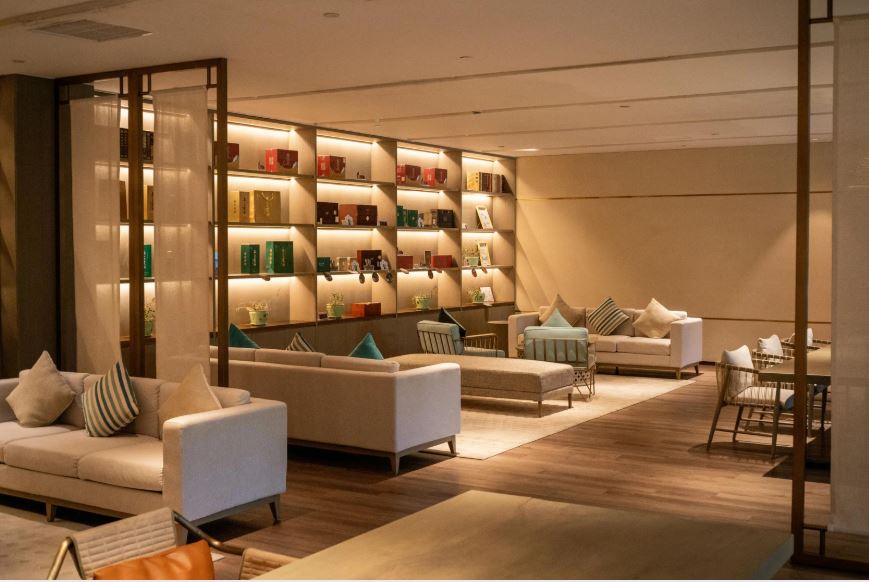
Luxury properties allocate vast amounts of real estate to grand public spaces that generate an immediate sensory impact. Expansive atrium lobbies, manicured interior courtyards, extensive hallways, and dedicated gallery spaces are designed not for rapid transit, but for lingering and aesthetic appreciation.
Service Delivery Architecture and Staffing Ratios
The human element represents the most critical differentiator in the hospitality sector. The distinction between economy lodging and high-end properties is defined by how service is structured, anticipated, and executed.
Select-Service and Self-Sufficiency
Budget hotels rely on a select-service framework. Staffing is lean, with cross-trained employees managing multiple operational domains simultaneously. A single team member might manage the front desk, handle guest requests, and oversee security during a night shift.
Service in this segment is transactional and reactive: the staff is highly efficient at resolving problems when approached, but guests are generally expected to be self-sufficient. Porterage, valet parking, and round-the-clock room service are eliminated to maintain a lower cost baseline.
Anticipatory Service and Hyper-Personalization
Luxury hospitality operates on high employee-to-guest ratios, often exceeding two or three staff members per occupied room. This staffing density allows for an anticipatory service model where needs are predicted before the guest vocalizes them.
The service structure is highly specialized, featuring dedicated concierges, valets, baggage handlers, and floor butlers. In the modern luxury market, this human touch is increasingly enhanced by artificial intelligence systems that track guest preferences. Returning visitors find their preferred room temperature pre-set, specific pillow types waiting on the mattress, and favorite beverages stocked in the refreshment center, creating an effortlessly tailored environment.
Materiality, Design, and In-Room Infrastructure
The physical touchpoints within a hotel room heavily influence the perceived value of the stay and dictate the physical comfort of the guest.
-
Durable Functionality: Budget properties select materials based on operational longevity, ease of sanitization, and resistance to wear. Floors are often laminate or tight-weave commercial carpeting; surfaces feature durable composites, and fixtures are standardized. While highly functional and clean, the design language prioritizes utility over artistic expression.
-
Bespoke Materiality: Luxury rooms utilize high-grade natural materials selected for their tactile quality and visual appeal. Expect solid hardwoods, imported marble tiling, custom-woven wool rugs, and high-thread-count Egyptian cotton linens. Furnishings are frequently custom-commissioned from design houses rather than sourced from commercial catalogs.
-
Acoustic Engineering: A hidden but vital structural difference lies in sound isolation. Budget hotels often feature standard wall construction that can let ambient hallway noise or adjacent room sounds filter through. Luxury properties invest heavily in advanced acoustic dampening, utilizing double-pane acoustic glass, heavy solid-core doors, and insulated sub-flooring to create an absolute quiet sanctuary from the outside world.
Amenities, Gastronomy, and Holistic Wellness
The scope of on-site facilities determines whether a hotel functions merely as a launching pad for exploring a city or as a self-contained destination.
The Standardized Essentials
Budget hotels provide targeted, high-utility amenities designed to facilitate a smooth, frictionless transit. This includes high-speed internet, automated ice machines, a compact fitness room with standard cardio equipment, and a self-service marketplace for snacks and sundries. Food and beverage programs are typically limited to a complimentary continental breakfast or automated grab-and-go kiosks, encouraging guests to dine in the surrounding community.
The Experiential Ecosystem
A luxury hotel functions as a complete lifestyle ecosystem. Gastronomy is a core pillar, often featuring multiple on-site restaurants led by acclaimed chefs, specialized cocktail lounges, and full-service sommelier programs.
Furthermore, wellness programs have evolved from basic basements spas into extensive health sanctuaries. Modern luxury properties feature advanced recovery labs offering sleep therapy, temperature-controlled mattresses, soundproof meditation chambers, holistic body treatments, and hydrotherapy circuits. The goal is to provide total physical and psychological restoration within the boundaries of the property.
Financial Dynamics and True Value Assessment
Evaluating budget versus luxury accommodations requires calculating the total cost of carriage alongside your specific travel objectives.
Budget hotels offer exceptional value for travelers whose primary objective is external exploration or business efficiency. When a room serves exclusively as a secure, clean place to sleep between intense meeting schedules or outdoor excursions, paying a premium for unutilized luxury infrastructure is financially inefficient.
Luxury hotels are a smart investment when the accommodation itself is central to the travel experience. For milestone celebrations, high-stakes corporate retreats, or vacations intended for deep psychological recovery, the structural benefits of a luxury property provide a measurable return on investment through enhanced well-being and effortless peace of mind.
Frequently Asked Questions
How do property depreciation cycles differ between budget and luxury hotels?
Luxury hotels operate on significantly shorter soft-goods renovation cycles compared to budget properties. To maintain their premium market positioning and justify high average daily rates, luxury brands typically refresh textiles, carpets, upholstery, and technology every five to seven years, with full structural overhauls occurring every decade. Budget hotels select heavy-duty, commercial-grade materials designed for maximum longevity, allowing them to stretch major renovation cycles to ten or twelve years while focusing daily expenditures on strict cleanliness and mechanical maintenance.
Why do luxury hotels often charge separately for basic services like internet, while budget hotels provide them for free?
This pricing paradox is rooted in differing historical target demographics and revenue management strategies. Budget hotels cater heavily to leisure travelers and independent road warriors who view high-speed internet as a baseline utility, making free wireless internet a critical tool for driving occupancy. Luxury properties historically catered to corporate executives traveling on corporate expense accounts and high-net-worth individuals who prioritized dedicated, high-bandwidth secure connections. However, the modern luxury market is rapidly shifting toward all-inclusive models to remove this specific friction point for guests.
How do insurance liability profiles vary between these two hotel tiers?
Luxury hotels carry vastly more complex and costly insurance liability profiles due to the diverse array of on-site services and physical hazards they manage. Operating high-end spas, rooftop swimming pools, valet parking fleets, and extensive food and beverage operations increases structural risk factors. Additionally, luxury properties hold higher limits for property damage and personal liability to protect against claims from affluent clientele, whereas budget properties manage a streamlined risk profile centered almost exclusively on basic building safety and slip-and-fall protections.
What is the structural difference in how budget and luxury hotels handle emergency power generation?
In the event of a municipal power grid failure, a budget hotel is typically engineered with emergency backup generation that supports only critical life-safety systems, such as emergency stairwell lighting, fire alarms, and electronic door lock databases. Guest rooms and elevators often lose power. A luxury hotel, however, is frequently constructed with full-redundancy backup generators designed to maintain seamless operation of the entire property, ensuring that guest room climate control, hot water pumps, kitchen refrigeration, and elevator banks continue functioning without interruption.
How does the concept of room yield management differ between economy and premium accommodations?
Yield management in budget hotels focuses heavily on volume and occupancy metrics. Because profit margins per room are tight, automated pricing algorithms drop rates aggressively during low-demand periods to ensure the property runs close to maximum capacity. Luxury properties prioritize average daily rate over pure occupancy. To protect brand prestige, prevent dilution of exclusivity, and maintain the high staff-to-guest ratio experience, luxury hoteliers prefer to leave premium rooms empty rather than discount them below a certain baseline threshold.
Why do luxury hotels utilize custom-developed ambient scents while budget properties focus on neutral air purification?
Scent branding is a sophisticated psychological tool utilized by luxury hotels to trigger immediate emotional resonance and long-term brand memory. Olfactory inputs pass directly into the limbic system of the brain, which governs emotion and memory. Luxury properties deploy custom-engineered, atomized fragrances through their central HVAC systems to establish an exclusive, reassuring sensory identity. Budget hotels operate on a fragrance-neutral philosophy, using high-efficiency particulate air filtration to eliminate odors entirely, catering to guests who may have environmental sensitivities or chemical allergies.
How do kitchen supply chains differ between an economy hotel marketplace and a luxury room-service kitchen?
Budget hotel marketplaces rely on centralized, industrial food-service distributors that supply shelf-stable, pre-packaged, or flash-frozen items requiring minimal on-site preparation or specialized culinary staff. This ensures high food safety and predictable margins with low labor costs. A luxury hotel kitchen operates a complex supply system centered on cold-chain logistics, daily deliveries of fresh, organic produce, and direct sourcing contracts with local artisanal farms, specialized butchers, and seafood purveyors, supporting a highly trained brigade of professional chefs.

Comments are closed.