

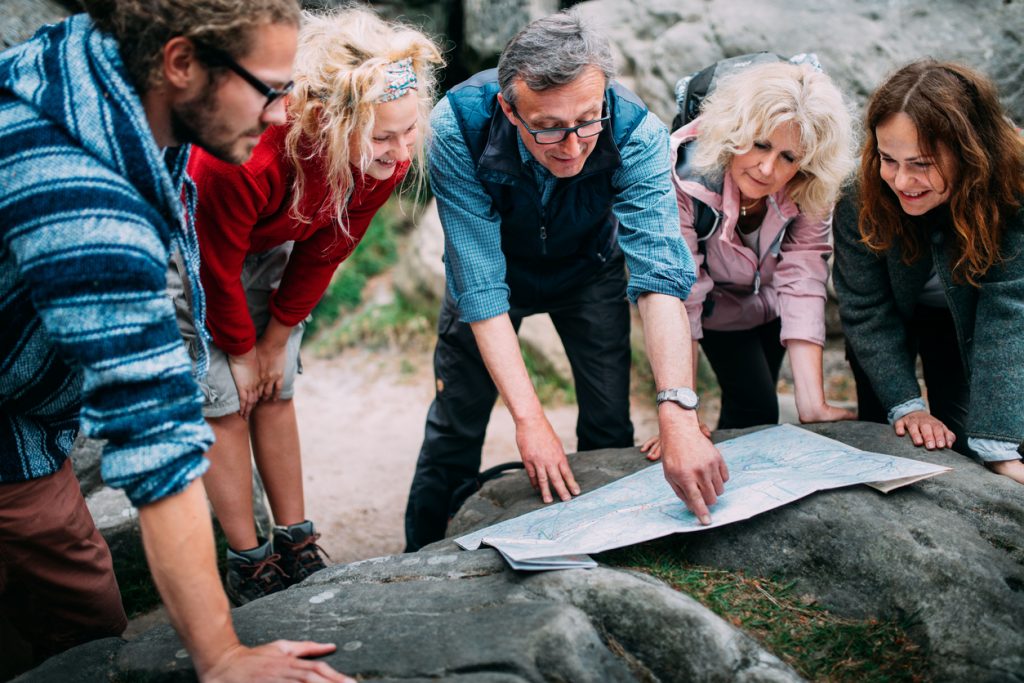
Travel is one of the most significant investments an individual can make, costing not only financial capital but also finite personal time. Yet, many travelers return from their journeys feeling exhausted rather than enriched, possessing a collection of superficial photographs but little genuine understanding of the places they visited. The difference between a stressful, checklist-driven vacation and a deeply transformative travel experience lies in strategy.
Professional tour guides spend thousands of hours navigating cultural nuances, logistical bottlenecks, and group dynamics across diverse global landscapes. They view destinations through a lens of spatial efficiency and cultural immersion. By adopting the professional tactics of veteran guides, anyone can learn to bypass tourist traps, manage environmental friction, and unlock the authentic heart of any destination.
Deconstructing the Itinerary Through Temporal Splitting
The most common mistake amateur travelers make is attempting to see everything in a single visit. This over-scheduling results in a phenomenon known as travel burnout, where cognitive fatigue dulls the appreciation of historical and artistic masterworks. Professional guides utilize a strategy called temporal splitting to structure itineraries sustainably.
Instead of organizing a day around a continuous list of attractions, split your waking hours into distinct phases of high-intensity exploration and low-intensity recovery.
-
The Golden Hours for Primary Sites: Schedule high-density, heavily trafficked locations—such as major museums, cathedrals, or archaeological ruins—exclusively during the absolute earliest morning opening slot or the final two hours before closing. This avoids the peak congestion of mid-day tour bus arrivals, reducing environmental stress and allowing for a quiet connection with the site.
-
The Mid-Day Cultural Sabbatical: Between the hours of noon and three in the afternoon, step away from tourist centers completely. Use this window to sit in a residential park, enjoy a lengthy lunch in a neighborhood diner, or rest at your accommodation. This mirrors the natural rhythm of local populations in many parts of the world and preserves your physical energy for evening exploration.
Developing Visual Literacy and Spatial Awareness
A professional guide does not just look at a landmark; they read it. When exploring a historic city center or an ancient ruin, developing basic visual literacy changes how you interact with your surroundings.
Reading Architectural Layouts
Every city layout tells a story of its socio-economic history. For example, older European medieval centers feature narrow, winding streets designed defensively to confuse invading forces and slow down cavalry charges. Conversely, nineteenth-century grand boulevards were engineered to showcase civic power and prevent civilian blockades. Noticing the shift in street widths and building materials as you move between neighborhoods allows you to visualize the historical growth patterns of the city without constantly looking at a guidebook.
The Upward Gaze Technique
Tourists naturally walk with their eyes fixed at eye level or downward toward smartphone navigation screens. Guides train themselves to look up consistently. The ground floors of urban buildings in tourist zones are heavily modified by modern storefronts and commercial signage. However, the second and third stories often preserve the original historical architecture, intricate stonework, historical emblems, and traditional window designs of past centuries.
The Art of Respectful Cultural Interrogation
Authentic travel requires moving past the role of a passive observer and becoming an active, respectful participant in the local ecosystem. Language barriers and social anxieties frequently prevent travelers from engaging with residents, reducing their interactions to simple commercial transactions.
To break through this barrier, professional guides use targeted communication strategies that signal humility and a genuine desire to learn.
The Micro-Vocabulary Protocol
Never enter a country relying entirely on the assumption that English will be spoken. Before crossing a border, master five critical phrases in the native tongue: hello, please, thank you, excuse me, and goodbye. Using these words, even with an imperfect accent, shows a fundamental respect for local sovereignty. It instantly lowers social barriers and alters how merchants, transit workers, and servers respond to your presence.
Shifting from Comparison to Observation
Anxiety and frustration during travel often stem from comparing a new destination to one’s home country. Phrases like “This is not how we do things at home” close the mind to learning. Replace evaluation with objective observation. When encountering a strange transit system, an unfamiliar dining custom, or an unusual bureaucratic process, ask yourself: What environmental, historical, or social factors caused this system to develop this way? This shift shifts your mental state from frustration to curiosity.
Managing Logistical Fluidity and Contingency Planning
In the realm of travel, logistics are fluid, and disruptions are a mathematical certainty. A flight delay, a sudden strike, or an unexpected weather event can disrupt a poorly planned itinerary. Guides remain calm during crises because they build robust contingency frameworks directly into their operational plans.
-
The Rule of Alternative Transit: Never rely on a single transit methodology to reach a critical destination, such as an airport or a once-in-a-lifetime excursion. If your primary plan involves a regional train, identify the backup bus route, local taxi apps, or rideshare frameworks beforehand. Knowing your alternatives in advance eliminates panic if the primary system fails.
-
The Digital Redundancy System: Do not assume you will have continuous cellular data access or operational Wi-Fi everywhere. Download offline maps of the destination city via applications like Google Maps or Maps.me before leaving home. Additionally, save screenshots of all confirmation numbers, hotel addresses written in the local script, and emergency contact numbers directly to your device’s local storage rather than relying on live cloud access.
Finding the Authentic Core of a City Through Edgelands
The true culture of a destination rarely exists within the boundary of its primary tourist plazas. Souvenir shops and international restaurant chains systematically displace local businesses in high-rent historic districts. To find the contemporary pulse of a society, you must venture into what urban geographers call the edgelands.
These are the transitional neighborhoods located just outside the historic center or surrounding university districts.
To experience these spaces safely and effectively, look for residential grocery stores, local morning markets, and public transit hubs. Eating at a diner where menus are not translated into English is a reliable indicator that you have crossed into an authentic community space. Observe what locals buy, how families interact, and what art forms are appearing on the streets. This provides an uncurated, honest look at the host culture.
Frequently Asked Questions
How can a traveler accurately identify authentic local restaurants compared to tourist traps?
Authentic dining establishments display specific operational markers that distinguish them from tourist traps. Look closely at the menu: if it features photographs of the food, is translated into five different languages, or is positioned on a large sign outside the door, it is tailored specifically for tourists. Authentic venues typically feature short, focused menus that change seasonally, use local languages, and fill up with native speakers roughly an hour after standard tourist dining times. Additionally, avoid restaurants located directly adjacent to major historic plazas, as high rents require volume-driven, lower-quality culinary output.
What is the best method for packing a daypack to ensure security and comfort during long city walks?
Proper daypack organization balances physical ergonomics with theft prevention. Position your heaviest items, such as an insulated water bottle or a backup battery bank, flat against the center panel of the pack closest to your spine to maintain a natural center of gravity. Crucial items like passports, credit cards, and cash should never be placed in exterior zippered compartments. Instead, secure them in an internal, tethered security pouch or a hidden lumbar pocket that rests directly against your lower back, rendering it inaccessible to pickpockets in crowded transit environments.
How do professional guides approach the balance between photography and mindful presence at landmarks?
Guides utilize a strategy known as the observation window. When arriving at a major landmark or viewpoint, commit to keeping your camera or smartphone put away for the first five minutes. Use this time to engage your senses fully: note the ambient temperature, analyze the architectural scale, listen to the environmental acoustics, and observe the crowd dynamics. Once you have anchored yourself in the physical reality of the space, document the scene deliberately with a few well-composed photographs, then pocket the device to protect your focus.
What steps should you take if you accidentally wander into an area that feels unsafe or disorienting?
If you realize you are lost or feel uncomfortable with your surroundings, the most important step is to maintain an assertive visual posture. Avoid standing in the middle of a sidewalk looking down at a map or phone, as this signals vulnerability to opportunists. Instead, step inside an established commercial business—such as a café, a bank lobby, or a hotel—to re-orient yourself and access communication tools safely. If you need directional help on the street, approach a family or a shop worker inside their store rather than a random pedestrian.
Why is studying the historical timeline of a country beneficial before departure?
Familiarity with a destination’s core historical timeline turns an abstract sightseeing trip into an engaging narrative experience. Without historical context, a cathedral is simply an impressive stone building, and a monument is just a statue. Understanding the major conflicts, artistic movements, and social revolutions that shaped a nation allows you to recognize symbolic iconography in architecture, comprehend local political dynamics, and appreciate why specific traditions remain vital to the modern populace.
How can travelers responsibly minimize their environmental and social footprint in fragile destinations?
Responsible exploration centers on practicing economic and environmental mindfulness. Reduce your plastic footprint by carrying a reusable water purification bottle and a compact canvas tote bag for purchases. Socially, ensure your tourism spending benefits the local community rather than multinational corporations. Choose independently owned guesthouses, hire licensed local guides, buy handicrafts directly from the artisans who make them, and always ask for explicit permission before taking photographs of residents.
What is the most effective strategy for overcoming language barriers when purchasing transit tickets?
When navigating localized transit systems without English interfaces, leverage technology and visual cues. Use your smartphone to take a clear photo of your destination name written in the local script from an official map. If automated kiosks are confusing, present this image directly to a ticketing agent at the service window. Additionally, look up the exact cost of the fare beforehand so you can have the correct cash denominations ready, reducing transaction anxiety and preventing miscommunication during the checkout process.

Comments are closed.