

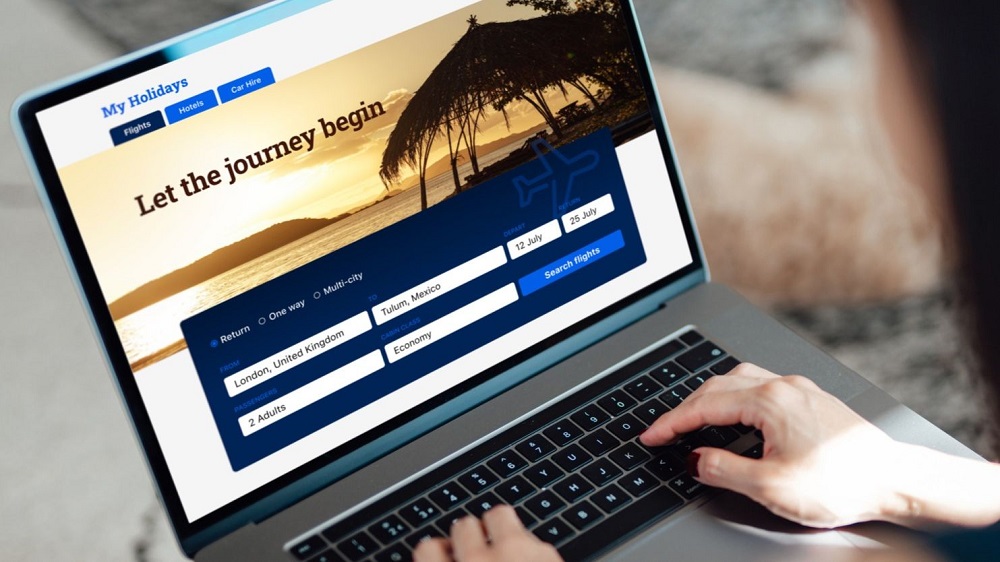
Securing airfare is often the most volatile variable when planning a vacation or a business trip. Airline ticketing relies on revenue management systems driven by artificial intelligence. These algorithms continuously analyze consumer demand, seasonal trends, and seating availability to adjust prices hundreds of times a day. While some travelers delay their purchase in hopes of catching a rare last-minute markdown, data indicates that a proactive, early booking strategy consistently yields the most substantial rewards. Planning ahead transforms air travel from an erratic, high-stress gamble into a calculated, highly organized asset.
Capitalizing on Baseline Fare Class Availability
To maximize the benefits of early booking, one must first look at how airlines structure their ticket inventory. An aircraft cabin is not simply divided into economy, business, and first class. Within the economy cabin alone, airlines establish a hierarchy of internal fare buckets, each designated by a specific letter code.
When an airline opens reservations for a flight, typically three hundred and thirty days before departure, they allocate a small percentage of seats to the lowest, most affordable fare buckets. As those introductory tickets sell out, the booking engine automatically unlocks the next, more expensive tier of fare classes.
-
Access to Low-Tier Buckets: Early planners purchase tickets when the inventory is completely untouched. This grants them exclusive access to the absolute baseline prices before regional demand forces the algorithm to advance to higher pricing buckets.
-
Protection Against Sudden Surges: Last-minute bookings are highly vulnerable to localized price surges. A sudden conventions announcement, a sporting event, or a regional festival can wipe out mid-tier seats instantly. Securing a ticket months in advance insulates consumers from these unexpected market spikes.
Securing Optimal Seat Geometry and Cabin Placement
Air travel involves more than just arriving at a destination; the physical experience of the journey plays a massive role in overall well-being. Booking early does more than protect your finances; it guarantees full control over your physical environment inside the aircraft fuselage.
As planes are routinely booked to maximum capacity, late-buying passengers are frequently assigned scattered middle seats or locations directly adjacent to high-traffic areas like galleys and restrooms. Early booking provides choice over cabin geometry.
Maximizing Legroom and Comfort
Securing a ticket early allows you to select coveted exit row seats, bulkhead positions, or specific rows that feature extra legroom without necessarily paying the premium for a full premium economy upgrade. For tall travelers or those with physical mobility concerns, this early choice prevents physical strain during long-haul transit.
Family and Group Cohesion
Traveling with young children or a larger family group becomes incredibly stressful when seating assignments are fractured. Airlines cannot always guarantee adjacent seating for late-minute passengers, even when traveling with minors. Booking early ensures that your group remains cohesive, eliminating the anxiety of negotiating seat swaps with strangers at the boarding gate.
Optimizing Multi-Modal Travel Connections and Lodging Logistics
An airfare purchase rarely exists in a vacuum; it functions as the anchor point for an entire ecosystem of travel logistics. Booking your flights early creates a cascading stabilization effect across all other components of your itinerary.
When departure and arrival times are locked in months in advance, you can align secondary reservations with pinpoint accuracy, preventing costly overlapping bookings or frantic transit rushes.
-
Premium Lodging Selection: The hospitality industry operates on a similar dynamic pricing model to airlines. By securing your flights early, you can instantly lock in accommodation rates when boutique hotels, vacation rentals, and resort rooms are at their lowest baseline prices and highest availability.
-
Streamlined Ground Transit: Whether you require a specialized rental car category, like a large passenger van, or a seat on a high-speed intercity train, these resources deplete rapidly closer to travel dates. Early flight confirmation provides the exact timeline required to secure ground transit arrangements without paying premium last-minute booking premiums.
Financial Predictability and Extended Capital Management
From a personal finance perspective, travel is a significant investment. Waiting until the final weeks before departure to buy airline tickets introduces an element of financial instability that can compromise an entire household budget.
An early booking strategy introduces structured predictability into your cash flow management, allowing for smarter wealth allocation.
Spreading Out Travel Expenses
When you book flights months in advance, you effectively separate the major expenses of a trip across multiple billing cycles. Paying for airfare in the spring, lodging in the summer, and daily excursion costs during the actual autumn trip prevents a single, massive credit card bill, reducing the likelihood of incurring high-interest consumer debt.
Strategic Savings Windows
Once the non-negotiable cost of the flight is settled and locked in early, you gain a clear, definitive timeline of exactly how much spending money you need to accumulate before the departure date. This fixed financial target helps travelers cut back on unnecessary daily spending at home, ensuring a larger financial cushion for activities, dining, and emergencies during the trip.
Psychological Relief and the Elimination of Decision Fatigue
The modern work environment places immense cognitive demands on individuals, leading to burnout and decision fatigue. Vacation planning is supposed to serve as an antidote to this stress, yet delaying travel arrangements frequently transforms the countdown into a source of chronic anxiety.
Psychologists note that human beings experience significant stress when forced to monitor volatile situations over which they have no control. Checking airfare apps daily, watching prices fluctuate, and agonizing over whether to buy or wait causes prolonged mental strain.
Booking early delivers immediate psychological closure. The moment the ticket is issued, the ambiguity disappears. This cognitive shift allows the brain to transition from a state of stressful calculation to a state of anticipation. Furthermore, behavioral science shows that a large portion of human happiness derived from travel comes from the anticipation phase—the joy of looking forward to an upcoming experience. An early booking extends this window of positive anticipation, maximizing the mental health ROI of your vacation investment long before you ever step foot inside an airport.
Frequently Asked Questions
How does booking early protect passengers against airlines changing flight schedules or routes?
When you book a flight months in advance, the airline may adjust its schedule or equipment layout as operational demands evolve. While this sounds like a drawback, early booking actually places you in a position of legal advantage. If an airline changes your flight time by a significant margin or switches you to a less desirable routing, federal transportation regulations generally allow you to change to a different, more optimal flight on their schedule for completely free, or request a full cash refund, an option that is unavailable if you book close to departure.
Why do some international routes see price increases if booked too far in advance?
Airlines open their reservation systems roughly eleven months before departure. At this initial launch window, carriers often set their pricing algorithms to a conservative, baseline maximum fare because historical data for that specific date is not yet clear. If you book the exact day the flight is released, you might pay an inflated rate. The true early booking sweet spot for international flights is typically between three to six months prior, when the airline begins actively competing with other carriers to fill the cabin structure.
Does early booking reduce the likelihood of a passenger being bumped from an overbooked flight?
Yes, early booking directly lowers your risk of being involuntarily bumped from an overbooked aircraft. When an airline must remove passengers due to overbooking, their automated systems follow a strict priority protocol. While elite frequent flyer status and fare class play a primary role, the time of check-in and the original ticketing date are critical tie-breakers. Passengers who booked their tickets months in advance hold older electronic ticket numbers, placing them higher on the retention hierarchy than those who bought tickets last-minute.
How does early booking interact with travel insurance policies regarding pre-existing medical conditions?
Many comprehensive travel insurance policies offer a waiver for pre-existing medical conditions, allowing you to cancel a trip for health reasons and receive a full reimbursement. However, insurance underwriters strictly stipulate that to qualify for this specific waiver, you must purchase the insurance policy within a short window—usually fourteen to twenty-one days—of making your very first initial trip deposit or flight booking. Booking early opens this critical insurance window, protecting your health and financial investment.
Can you still access early booking advantages if your travel dates are subject to sudden workplace changes?
Yes, provided you understand modern airline fare classes. Since the industry-wide restructuring of ticketing rules, legacy airlines have eliminated change fees for standard main cabin economy tickets. If you book early to secure a low rate and your workplace changes your vacation window, you can cancel the flight and roll the entire monetary value into a future travel credit without penalty, allowing you to retain the purchasing power of your initial early investment.
Why do corporate travel departments prioritize early booking if corporate budgets are flexible?
Corporate travel departments enforce strict advance-purchase policies because the financial savings across an entire enterprise are immense. Business travelers frequently fly on high-demand, non-stop routes during peak morning and evening commuting windows. If a corporation allows employees to book within a week of travel, they consistently pay peak business-rate fares. Enforcing a fourteen-day or thirty-day advance booking window saves corporations millions of dollars annually by avoiding the price gouging built into last-minute corporate travel.

Comments are closed.